

The next year of 2011 Great East Japan Earthquake, as he visited and walked around the city of Rikuzen Takata, he spotted 1,000 paper cranes at the site of a school demolished by the tsunami. “I found myself in terror of how powerless we humans are in the face of nature’s wonder; yet at the same time, I felt empowered by the power of life, vitality, that shined so brightly in the aftermath of its wrath,” Onogawa says.
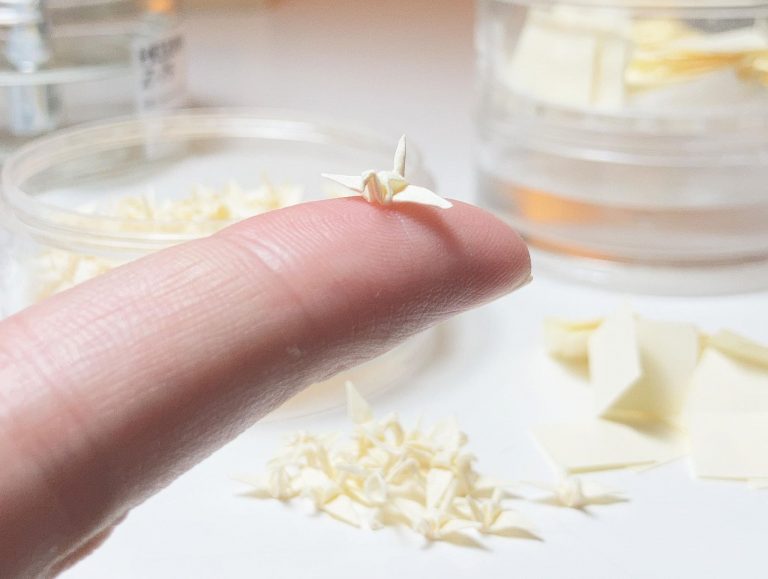
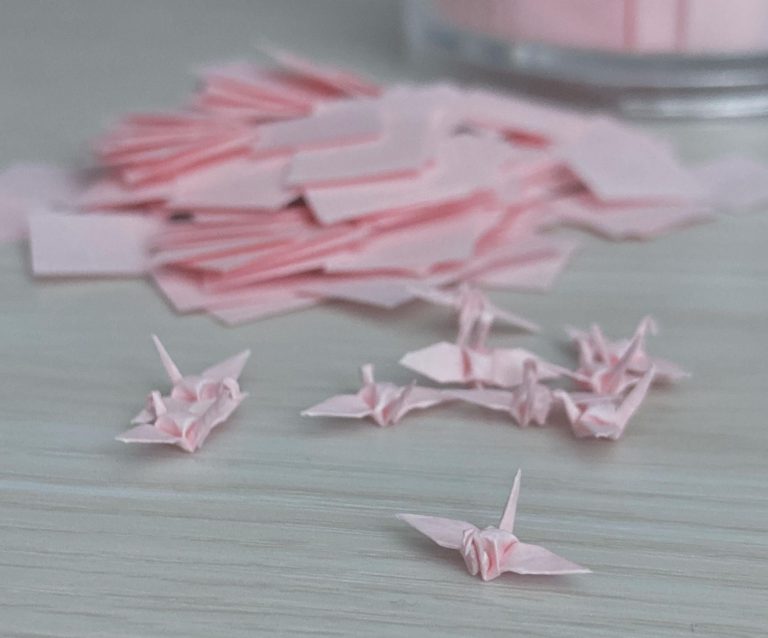
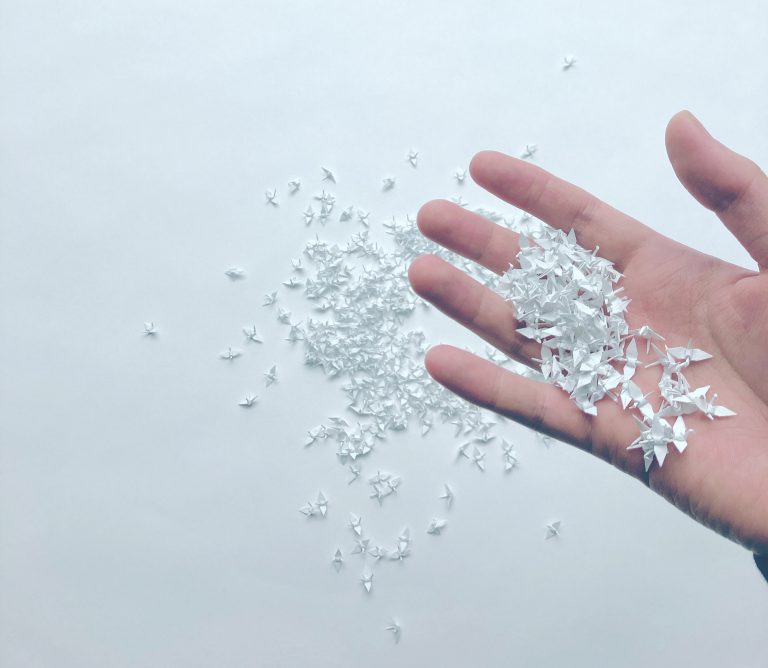
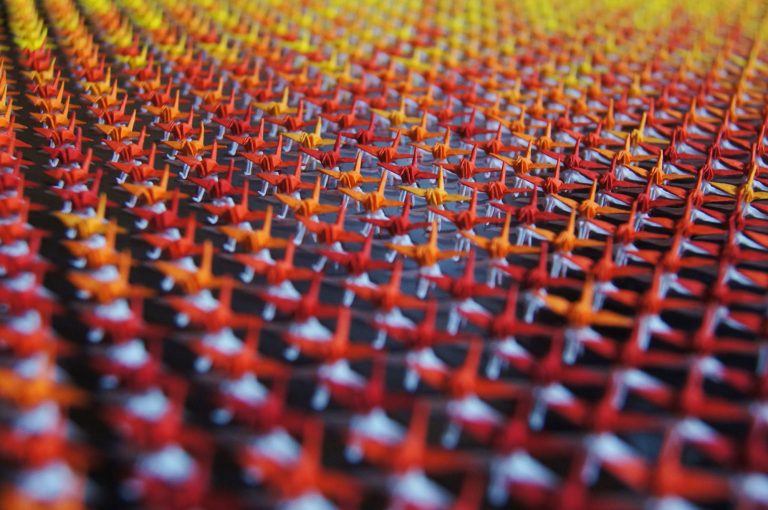
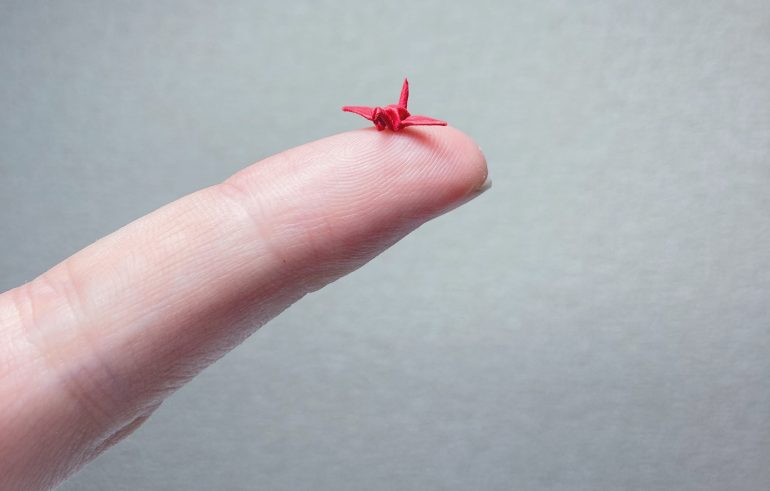
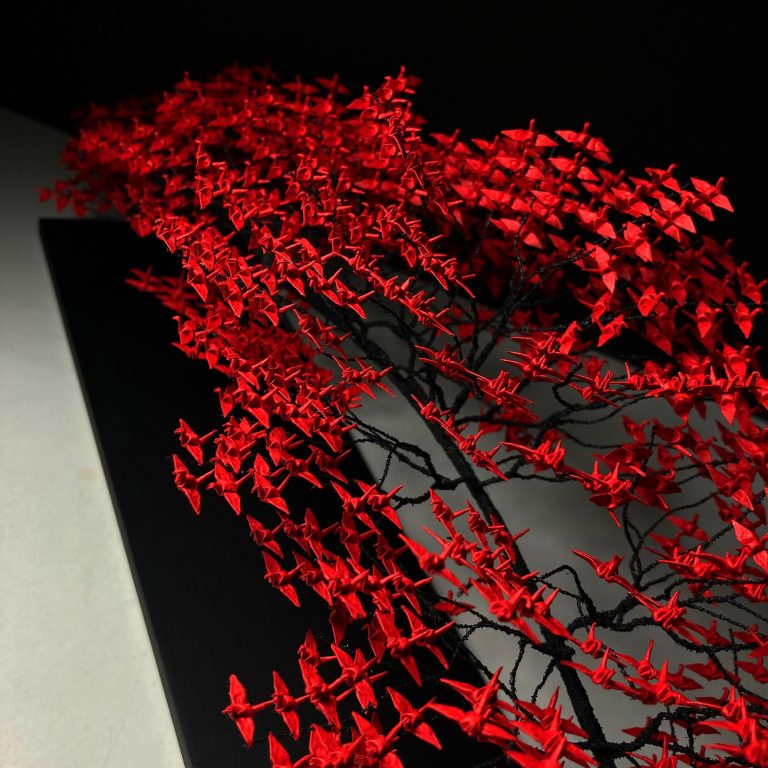
Using just his hands, Tokyo-based artist Naoki Onogawa folds scores of origami cranes with wingspans that never top a single centimeter. He then fastens the minuscule birds to asymmetric tree forms, creating bonsai-like sculptures engulfed by hundreds of the monochromatic paper creatures.
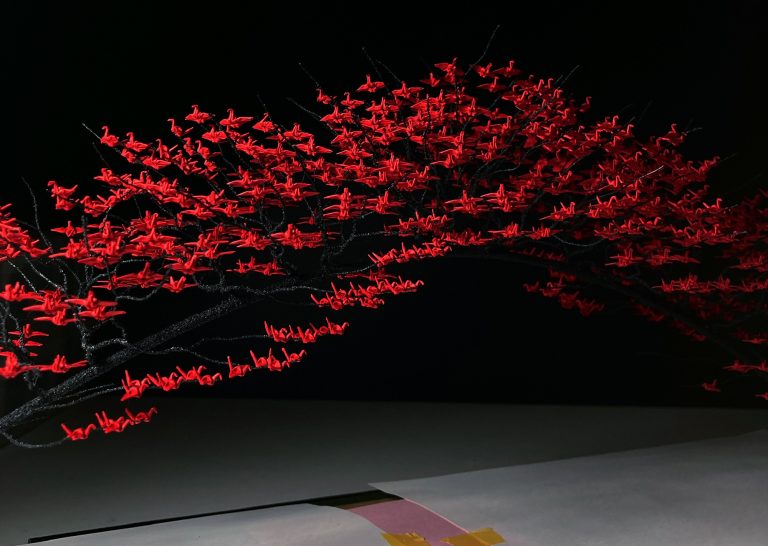
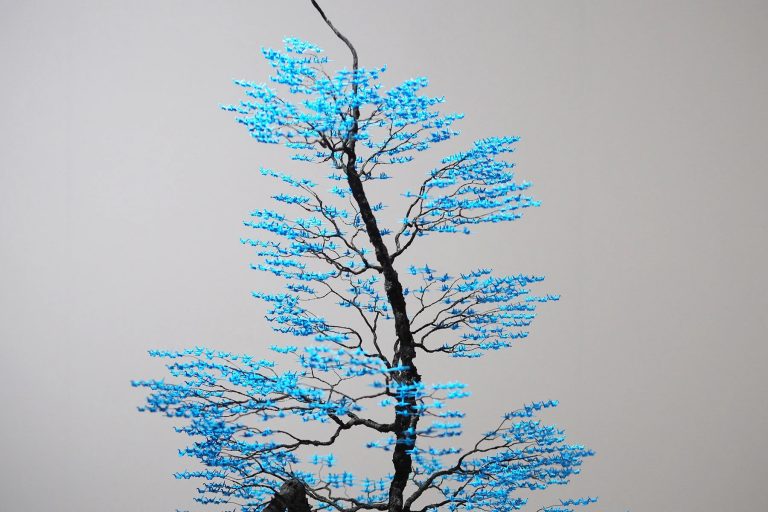
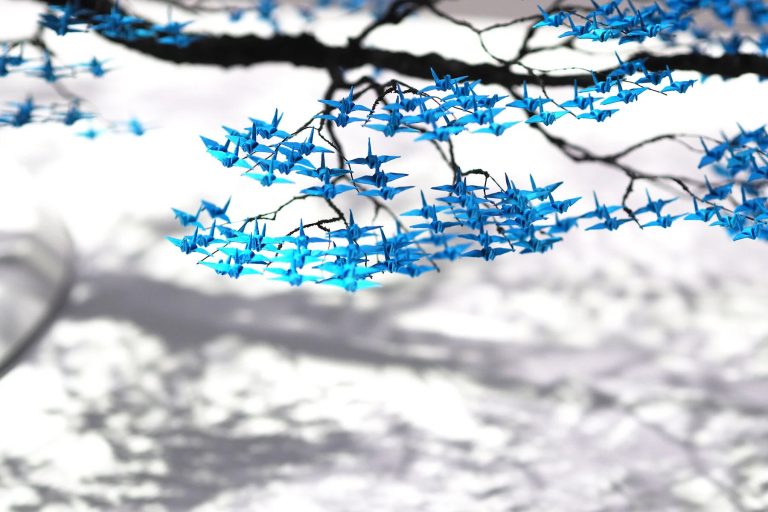
It was like witnessing the result of a desolate ritual where people channeled their unsettled feelings into these cranes. And here they exist, spirited with prayers that they would go back and forward to and from a world beyond here.
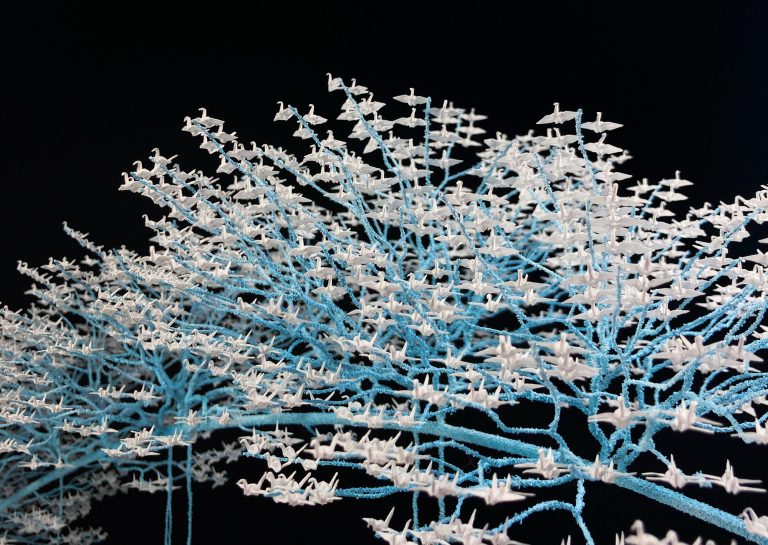
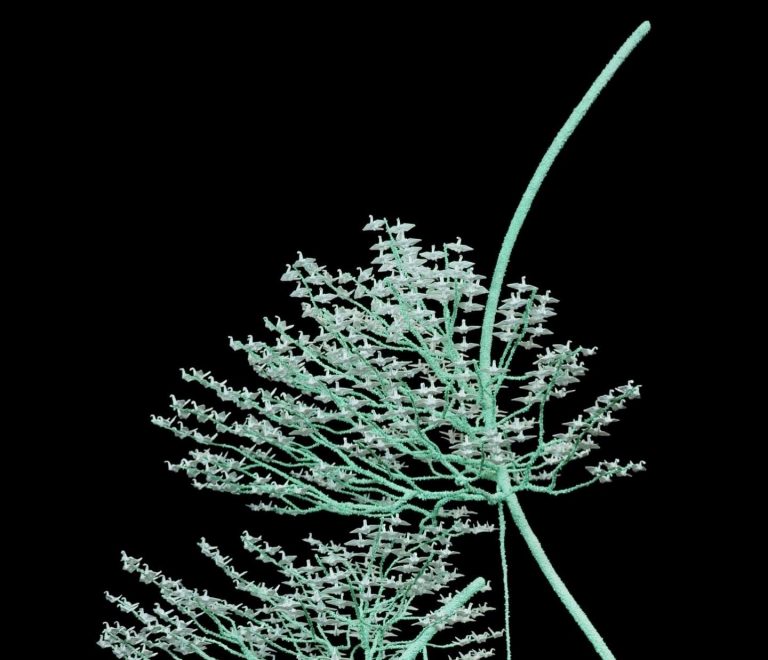
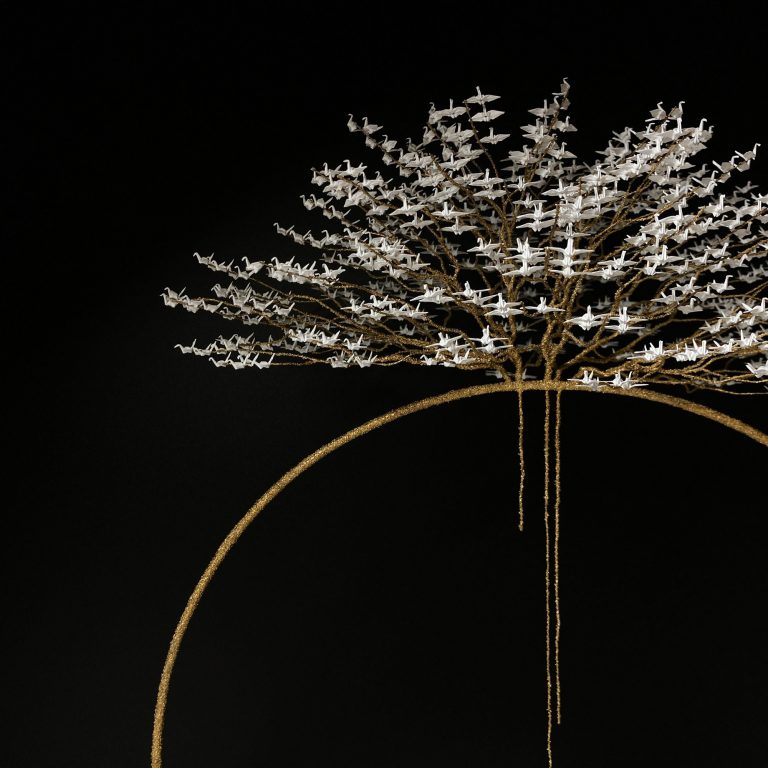
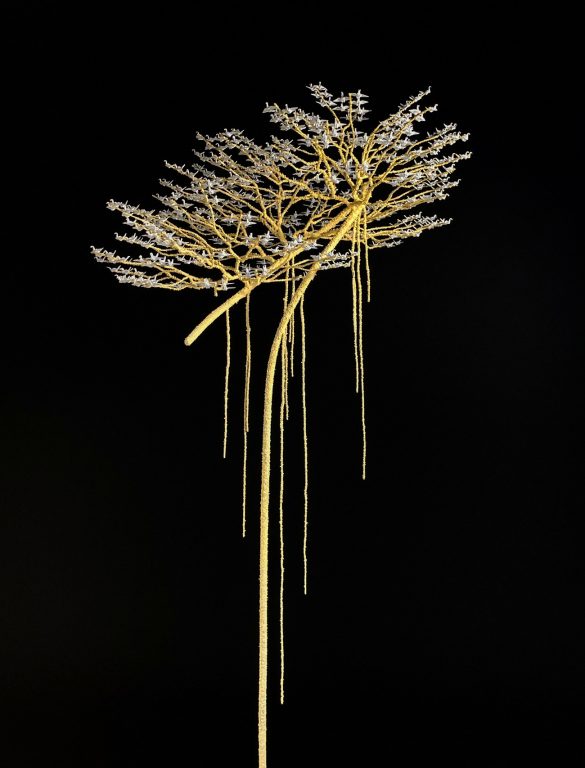
I struggle to find the words to describe it, but I think that maybe the cranes that I fold now come from that place of solemn prayer.
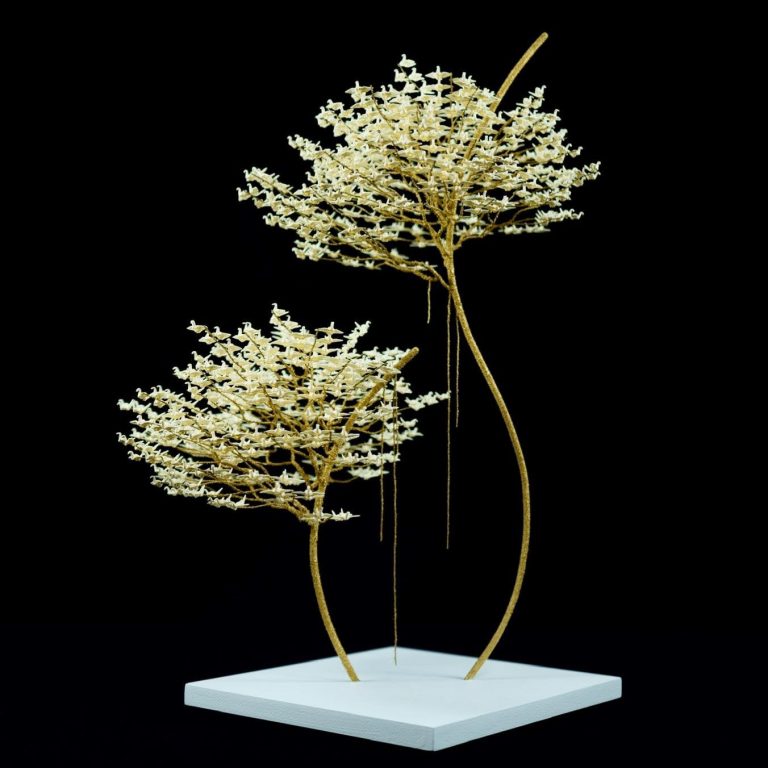
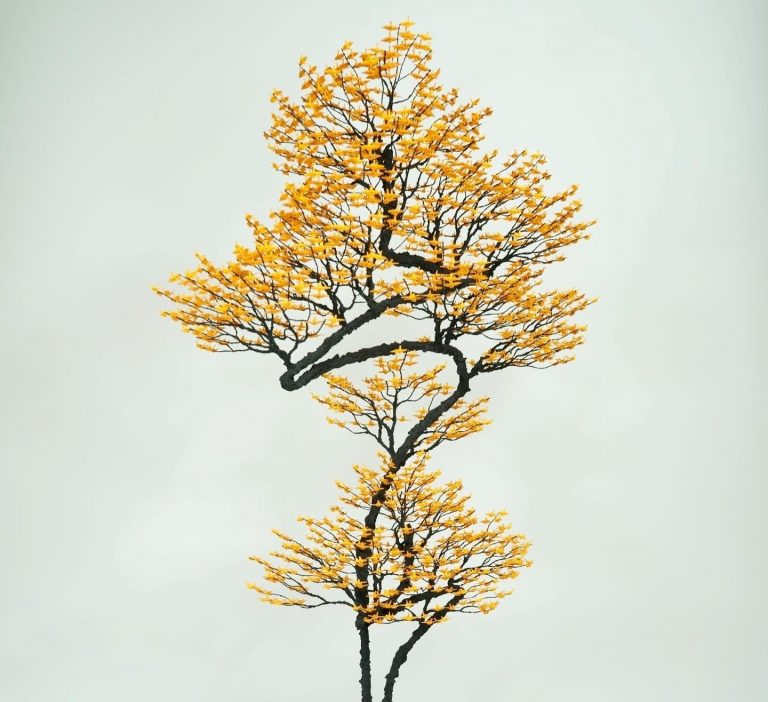
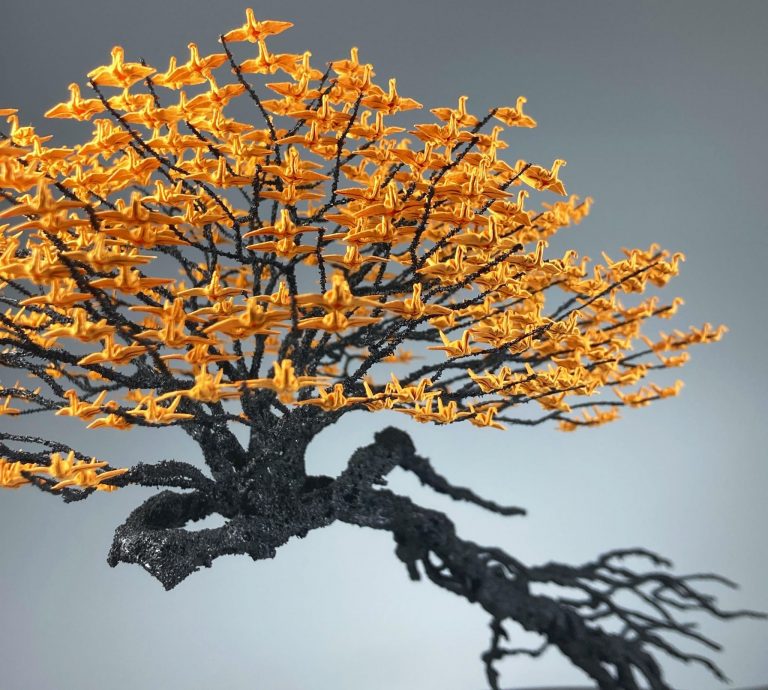
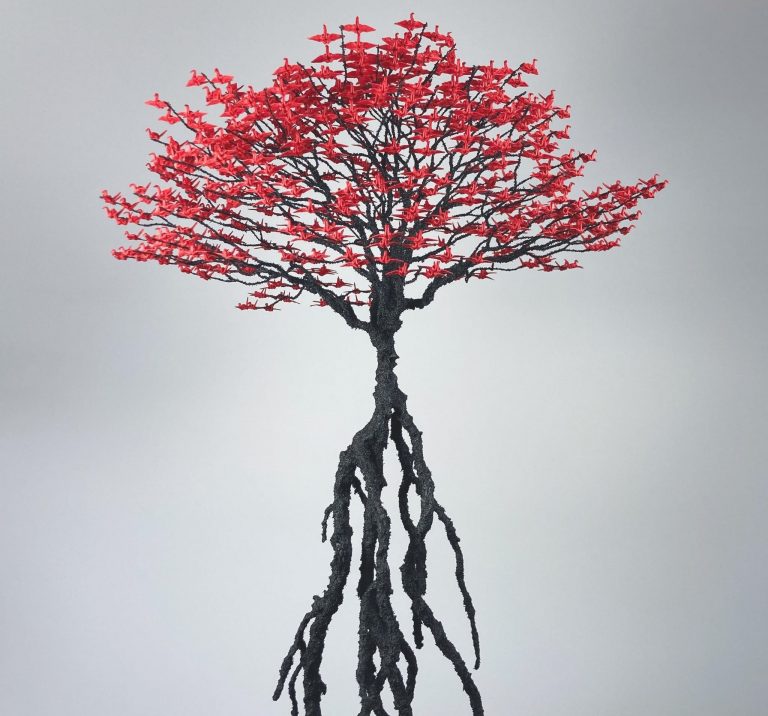
All images © Naoki Onogawa, shared with permission
By Timestamp Your Works On The Blockchain and under our copyright protection, ArtThat is dedicated to act as a platform for artists to unleash their potentials by displaying their distinct and novel artwork in front of the public.
Discuss in Kanban. Welcome to search “艺廊网”, “artthat” and follow us on WeChat and Weibo.
Now join ArtThat Elites Club, then re-create with artists and take silk-screen handwork home!